
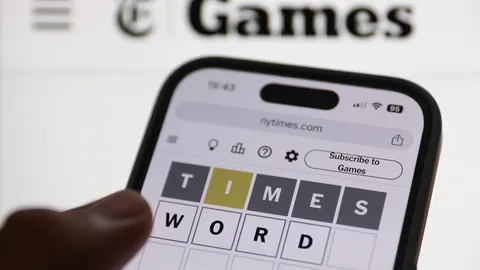
wordle hint forbes has become more than a search phrase for players trying to protect their daily streak. It sits at the intersection of puzzle-solving, digital journalism, habit, and internet culture. What appears to be a straightforward request for assistance reflects a larger change in how people consume games and information online.
The popularity of daily word puzzles has created a peculiar modern ritual: players want help, but they often do not want the answer immediately. They are looking for a nudge, a strategic clue, or reassurance that they are thinking in the right direction. That tension helps explain why hint-focused coverage has found such a natural home in digital media.
Why Daily Word Puzzles Became a Modern Ritual
Unlike many games designed to consume hours, a daily word puzzle asks for only a small investment of attention. Players open a browser or phone, make a handful of guesses, and then move on with their day. Yet the experience can feel surprisingly personal because everyone receives the same challenge.
That shared structure gives the puzzle unusual cultural power. A commuter, student, journalist, executive, or retiree can encounter the same five-letter mystery on the same morning. Consequently, solving becomes a small communal experience without requiring players to communicate directly.
The appeal also comes from scarcity. There is one central puzzle for the day, rather than an endless supply. Because the opportunity is limited, a successful solution can feel more meaningful than completing an arbitrary number of levels in a conventional mobile game.
What Players Actually Want From a Hint
Searching for a wordle hint forbes article does not necessarily mean someone wants the solution handed to them. In many cases, the opposite is true. Players want to preserve the satisfaction of solving the puzzle themselves while avoiding the frustration of getting stuck.
A useful hint therefore occupies a delicate middle ground. It can reveal a letter, suggest a word category, identify a useful starting strategy, or provide information about the answer’s structure without destroying the final moment of discovery.
That distinction matters because puzzles are fundamentally about participation. If a reader simply receives the answer, the intellectual journey disappears. However, if a carefully designed clue restores momentum, the player remains involved.
The Journalism Behind a Daily Hint
Publications that cover daily puzzles are participating in a relatively new form of service journalism. Traditional service journalism might explain how to save money, prepare a meal, or navigate a complicated process. Puzzle coverage performs a similar function, but its subject is leisure.
The strongest coverage understands that readers arrive with different needs. One person may want only a subtle clue. Another may need confirmation about the number of letters. A third may be looking for the answer after completing the puzzle elsewhere.
For that reason, wordle hint forbes has come to represent a recognizable type of search intent. The phrase suggests that readers are not merely looking for a game; they are looking for contextualized assistance from a publication they recognize.
Why Forbes Fits Into the Puzzle Conversation
Forbes is widely associated with business, wealth, entrepreneurship, and influential people. Yet modern digital publishing increasingly extends beyond traditional subject boundaries. Audiences frequently encounter publications through individual search results rather than through a homepage.
That shift has changed the meaning of a media brand. A reader searching for a daily puzzle clue may discover a publication through a single practical article, even if the publication is better known for completely different subjects.
The broader lesson is significant: digital audiences often care less about rigid editorial categories than they once did. If an article is useful, timely, clearly presented, and easy to understand, it can attract readers regardless of the publication’s historical identity.
The Psychology of Asking for Just Enough Help
There is an interesting psychological difference between receiving an answer and receiving a hint. The answer ends uncertainty instantly. A hint, by contrast, preserves uncertainty while narrowing the field.
That makes hints particularly compatible with puzzle culture. They provide assistance without necessarily replacing effort. Moreover, they allow players to regulate how much help they receive. A person who is nearly finished may need only one small clue, while someone completely stuck may require something more substantial.
This graduated assistance is one reason search-driven puzzle articles remain useful. They meet readers at different stages of the same experience rather than assuming that everyone needs identical information.
The Social Life of a Private Puzzle
Although a player may solve the puzzle alone, daily word games have developed a distinctly social dimension. People compare results, discuss strategies, share streaks, and exchange hints without always revealing the answer.
That creates a fascinating balance between competition and cooperation. Players want to perform well, but they also want others to understand the pleasure of the challenge. A carefully phrased hint can therefore function almost like a conversation between players: enough information to help, but not enough to spoil the experience.
In this sense, the modern puzzle is both solitary and communal. The screen is private, while the ritual belongs to a much larger audience.
Why Search Engines Changed the Puzzle Experience
The internet has transformed what it means to become stuck. In an offline crossword, reaching a difficult clue might mean putting the puzzle aside. Today, however, help is only a few typed words away.
Search engines have consequently become part of the puzzle ecosystem itself. A phrase such as wordle hint forbes expresses a highly specific intention: the user knows what they are playing, knows what kind of assistance they want, and may even have a preferred publication in mind.
This creates an unusual relationship between editorial content and game design. The puzzle may be designed to test independent reasoning, yet the surrounding web creates a support network that players can enter whenever they choose.
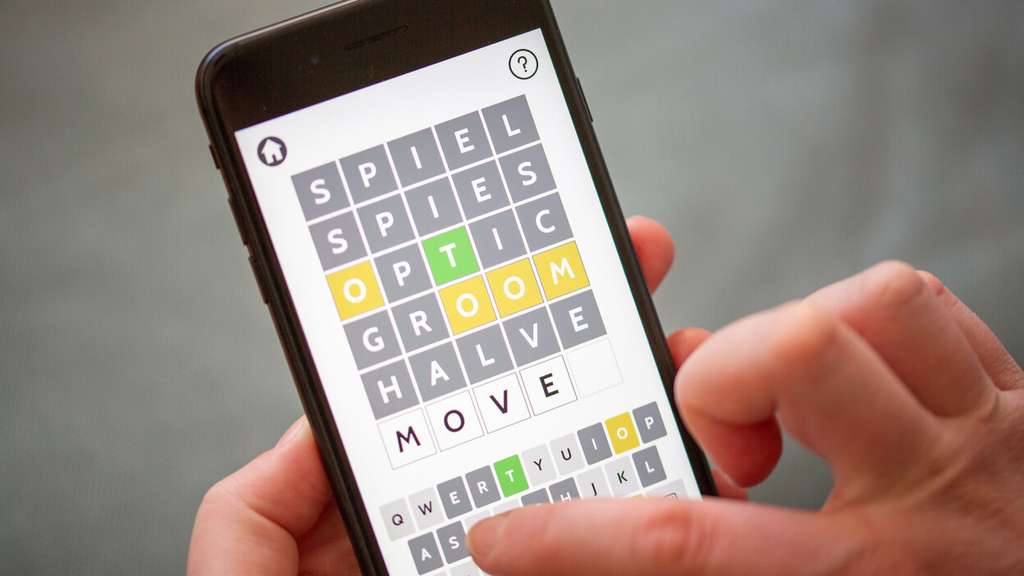
A Better Way to Think About Puzzle Hints
Good puzzle guidance should respect the player’s intelligence. Rather than announcing the solution immediately, effective coverage can gradually increase the amount of information available.
A useful structure might begin with a broad clue, followed by information about letters or word structure, and finally the answer for readers who genuinely want confirmation. This approach serves both casual players and people who simply want to verify the day’s solution.
More importantly, it recognizes that not every reader defines success in exactly the same way. For some, success means solving without help. For others, it means solving after receiving a carefully chosen clue. Both experiences can be legitimate.
The Quiet Cultural Appeal of Routine
The enduring popularity of daily puzzles says something about modern life. Digital culture is often associated with speed, constant novelty, and endless scrolling. A daily word game offers almost the opposite experience.
There is one challenge. There is a limited number of attempts. There is a beginning and an ending. Then the player waits until tomorrow.
That predictable rhythm can be comforting. In an increasingly fragmented media environment, a small repeated ritual creates a sense of continuity. Even the search for a wordle hint forbes can become part of that routine, appearing each morning alongside coffee, news, messages, and other familiar habits.
When Help Becomes Part of the Game
It is tempting to treat hints as evidence that someone has failed to solve a puzzle independently. Yet that interpretation misses the broader reality of how people play.
Hints can be strategic tools. A player may intentionally avoid wasting attempts and use a clue when the remaining possibilities become too broad. Another player may simply enjoy the challenge more when a little guidance keeps frustration from taking over.
Ultimately, the value of a hint depends on what the player wants from the experience. If the goal is pure testing, assistance may undermine the challenge. If the goal is daily enjoyment, a well-timed clue can make the game more satisfying.
The Broader Future of Puzzle Journalism
Daily puzzle coverage illustrates how digital publishing continues to blend information and entertainment. The traditional distinction between news, service content, lifestyle writing, and interactive media is becoming increasingly fluid.
Readers now expect publications to answer practical questions quickly, while still providing personality and context. Puzzle journalism succeeds when it does more than provide an answer: it understands why readers are searching, how much information they want, and what makes the experience enjoyable.
That is particularly important in an era when audiences have countless alternatives. A useful article earns attention not simply by appearing in search results but by respecting the reader once they arrive.
Conclusion: More Than a Search for an Answer
The significance of wordle hint forbes lies less in the individual words than in what the search represents. It reflects a culture in which games, journalism, search engines, and everyday routines increasingly overlap.
A five-letter puzzle may take only a few minutes to complete, yet the surrounding ecosystem reveals much about contemporary digital behavior. People want assistance without losing independence. They want information without unnecessary spoilers. They want private entertainment that can still connect them to a wider community.
Ultimately, that is the quiet power of the daily puzzle. It transforms a few minutes of guessing into a ritual of concentration, curiosity, and shared experience. And when a reader searches for a hint rather than an immediate answer, they are not necessarily trying to escape the challenge. Often, they are simply looking for the smallest push that allows them to keep playing.