
Timbre Meaning: Why Some Sounds Feel Different Even When They Share the Same Note
Timbre meaning begins with a deceptively simple question: why do two instruments playing the same musical note sound unmistakably different? The answer lies in timbre, the quality or character of a sound beyond its basic pitch and loudness. A piano and violin can produce the same note at the same volume, yet listeners immediately recognize which instrument is playing. That difference is not merely technical. It shapes emotion, identity, memory, musical style, and even the way people experience a familiar voice, song, or cultural tradition.
Understanding the Core Idea Behind Timbre
In music, timbre describes the distinctive character of a sound. While pitch tells us whether a note is high or low and loudness tells us how strong it is, timbre tells us what kind of sound we are hearing. Consequently, it is often described using words such as bright, dark, warm, metallic, smooth, nasal, rich, sharp, mellow, or breathy.
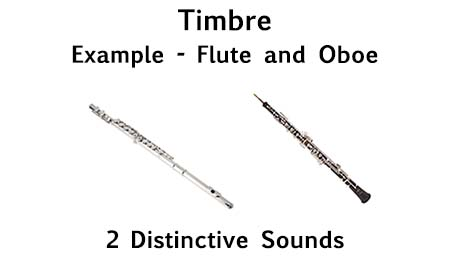
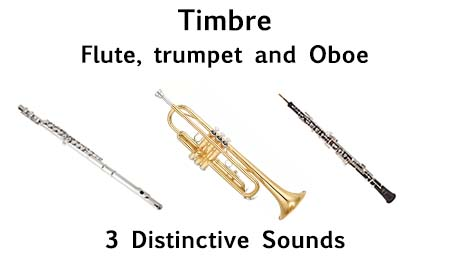
The concept becomes clearer through everyday listening. A trumpet and a flute may perform the same melody in the same register, but their sounds remain clearly distinguishable. Likewise, two singers can sing the same lyric at the same pitch and volume while producing completely different sonic impressions. Their individual timbral qualities contribute strongly to their recognizable identities.
What Creates the Character of a Sound?
The science behind timbre is connected to the physical structure of sound waves. Most musical sounds contain a fundamental frequency along with additional frequencies called overtones or harmonics. The balance between these components helps determine how the ear perceives the sound.
However, timbre is not determined by frequency content alone. The way a sound begins, develops, and fades also matters. A violin bow can create a gradual entrance, while a piano hammer produces a sharp initial attack. Similarly, a human voice changes character according to breath, resonance, articulation, vocal technique, and emotional expression.
This is why timbre can be understood as a combination of acoustic information rather than one isolated property. The ear effectively interprets a sound’s entire profile.
Timbre Meaning in the Human Voice
Few examples demonstrate the importance of timbre more clearly than the human voice. People can often recognize friends or family members simply by hearing them speak, even when they cannot see the speaker. Pitch contributes to recognition, but vocal timbre is equally important.
A person’s vocal character develops through the shape of the vocal tract, vocal-fold behavior, resonance, breathing patterns, accent, speech habits, and learned techniques. Therefore, two people with similar pitch ranges can still sound completely different.
Moreover, vocal timbre carries emotional information. A voice may sound gentle during a quiet conversation, energetic during excitement, or strained during stress. As a result, listeners often perceive emotional states through vocal quality before consciously analyzing the words themselves.
How Timbre Shapes Musical Emotion
Music does not communicate emotion through melody alone. Timbre can dramatically change how a musical passage feels. The same melodic phrase performed by a soft clarinet may suggest intimacy, while played by distorted electric guitar it can feel aggressive or dramatic.
Orchestral composers have long understood this expressive potential. Different instruments are selected not simply because they can play particular notes, but because their sound qualities evoke different atmospheres. Strings can create warmth and lyricism; brass can suggest power; woodwinds may introduce delicacy or intimacy; percussion can provide physical energy and tension.
Thus, timbre meaning extends beyond a dictionary definition. It becomes part of the emotional vocabulary of music.
The Cultural Side of Sound
Timbre also has a cultural dimension. Instruments are not neutral objects detached from history. Their sounds are associated with particular communities, ceremonies, genres, regions, and traditions.
The sound of a sitar may immediately evoke one cultural context, while the timbre of a West African drum, Japanese shakuhachi, Scottish bagpipe, or electric blues guitar can summon very different associations. These reactions are shaped by exposure, memory, education, media, and cultural experience.
Consequently, the meaning listeners attach to timbre is partly learned. A sound that feels nostalgic to one listener may seem unfamiliar to another. This makes timbre an important bridge between acoustics and cultural identity.
Timbre Across Musical Genres
Different musical traditions often develop recognizable approaches to sound quality. Jazz, for example, has frequently celebrated individual instrumental tone, allowing musicians to develop highly distinctive sonic personalities. In rock, distortion became not simply a technical effect but an expressive language in its own right.
Electronic music expanded the possibilities even further. Producers can construct sounds that have no direct acoustic equivalent, combining synthesized tones, samples, filters, modulation, and digital processing. Meanwhile, hip-hop production has demonstrated how manipulating existing recordings can transform their tonal character and cultural meaning.
In each case, timbre becomes part of the genre’s identity rather than merely an accessory to composition.
Timbre and the Experience of Memory
Certain sounds can trigger memories with surprising intensity. A particular recording may remind someone of childhood, a familiar voice may recall a loved one, or the tone of an old instrument may evoke a specific place and period.
This happens partly because sound is closely connected to emotional and autobiographical memory. Timbre can serve as an auditory fingerprint, carrying associations that are difficult to reproduce through words alone.
For musicians, this phenomenon can be especially powerful. The sound of a particular guitar, amplifier, microphone, or recording environment may become part of a personal history. Even imperfections can become meaningful because they belong to a remembered moment.
Timbre in Modern Recording and Technology
Recording technology has transformed how timbre is created, captured, and manipulated. Microphones respond differently to frequencies, studio rooms influence resonance, and engineers can use equalization, compression, saturation, reverb, and other techniques to alter sonic character.
Digital audio has made these possibilities even more accessible. Today, producers can reshape a recording extensively after it has been performed. Yet the goal often remains remarkably traditional: creating a sound that communicates a particular identity or emotional atmosphere.
Interestingly, technological precision has not eliminated the desire for distinctive sound. Instead, it has expanded the palette available to musicians and producers.
A Simple Guide to Timbre and Related Sound Qualities
| Sound quality | What it describes | Example |
|---|---|---|
| Pitch | How high or low a sound is | A high soprano note |
| Loudness | How strong or quiet a sound is | A softly played piano |
| Timbre | The character or color of a sound | Piano versus violin |
| Duration | How long a sound lasts | A short percussion hit |
| Attack | How a sound begins | A sharp piano note |
This distinction is useful because listeners often experience these characteristics together. Nevertheless, they represent different aspects of sound perception.
Why Musicians Care So Much About Tone
For professional musicians, timbre can become part of artistic identity. A guitarist may spend years developing a particular tone. A singer may refine vocal resonance and breath control. A violinist may experiment with bow pressure and instrument setup to discover a preferred sound.
In this sense, technique is not only about accuracy. It is also about character. Two performers can play the same composition correctly while creating very different experiences because their sonic personalities differ.
That difference is often what makes a performance memorable.
Timbre Meaning Beyond the Classroom
Although timbre is commonly introduced through music education, its relevance reaches far beyond musical theory. Sound designers use it to build atmosphere in films and games. Advertisers rely on recognizable sonic signatures. Podcasters consider microphone character when developing a consistent identity. Film composers select instruments according to the emotional world of a scene.
Even everyday communication depends on it. We recognize voices, notice changes in vocal mood, and distinguish environmental sounds partly through their distinctive qualities.
Therefore, understanding timbre provides a richer way of thinking about the soundscape surrounding modern life.
Frequently Asked Questions
What is the simplest definition of timbre?
Timbre is the distinctive character or quality that allows listeners to tell different sounds apart, even when those sounds have the same pitch and loudness.
Is timbre the same as tone?
The terms are sometimes used interchangeably in everyday conversation, but they can have different meanings depending on context. Timbre generally refers specifically to the character of a sound, while tone can describe several related ideas.
Can a person’s voice have a timbre?
Yes. Individual vocal timbre is one reason people can recognize familiar speakers. Resonance, vocal anatomy, breath, articulation, and speaking habits all contribute to vocal character.
Why is timbre important in music?
Timbre helps instruments and voices develop distinct identities. It also contributes to mood, emotional expression, genre, orchestration, and the overall character of a performance.
Conclusion: Hearing More Than a Note
Ultimately, timbre meaning is about the character hidden inside sound. Pitch may tell us which note is being played, while loudness tells us how powerful it is, but timbre gives that sound its personality. It is the reason an instrument can become recognizable within seconds, why a familiar voice can awaken memories, and why different cultures develop distinctive sonic identities.
More importantly, timbre reminds us that listening is an active human experience. We do not simply hear frequencies; we interpret them through memory, emotion, culture, and expectation. Once listeners begin paying attention to timbre, ordinary sounds become more detailed and expressive. A voice, instrument, recording, or environmental noise can suddenly reveal layers that were always present but rarely noticed.