Introduction: Forest Whitaker and Bob Chapek in Two Worlds of Entertainment
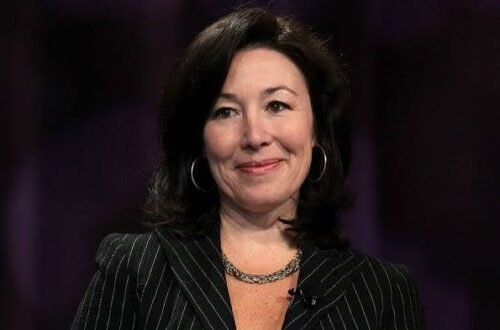
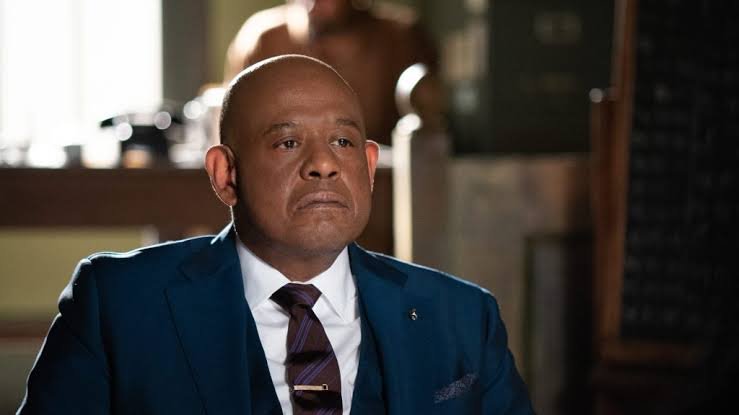
Forest Whitaker and Bob Chapek represent two distinct sides of the modern entertainment industry: creative storytelling and corporate leadership. Whitaker has earned international recognition through his performances as an actor, director, and producer, while Chapek became widely known for leading The Walt Disney Company during a period of significant change. Although their careers developed along different paths, both illustrate how influence in entertainment can extend far beyond the screen. Their professional journeys also raise important questions about creativity, leadership, public expectations, and the evolving relationship between art and business.
Forest Whitaker: An Actor Defined by Depth and Versatility
Forest Whitaker has built a distinguished career by choosing roles that demand emotional complexity, careful observation, and considerable transformation. Born in Longview, Texas, in 1961, he developed an interest in performance before establishing himself in film and television. Over time, his ability to portray complicated personalities helped distinguish him from performers who rely primarily on conventional leading-man roles. Instead, Whitaker often brings a quiet intensity to his characters, allowing their inner conflicts to emerge through expression, movement, and dialogue.
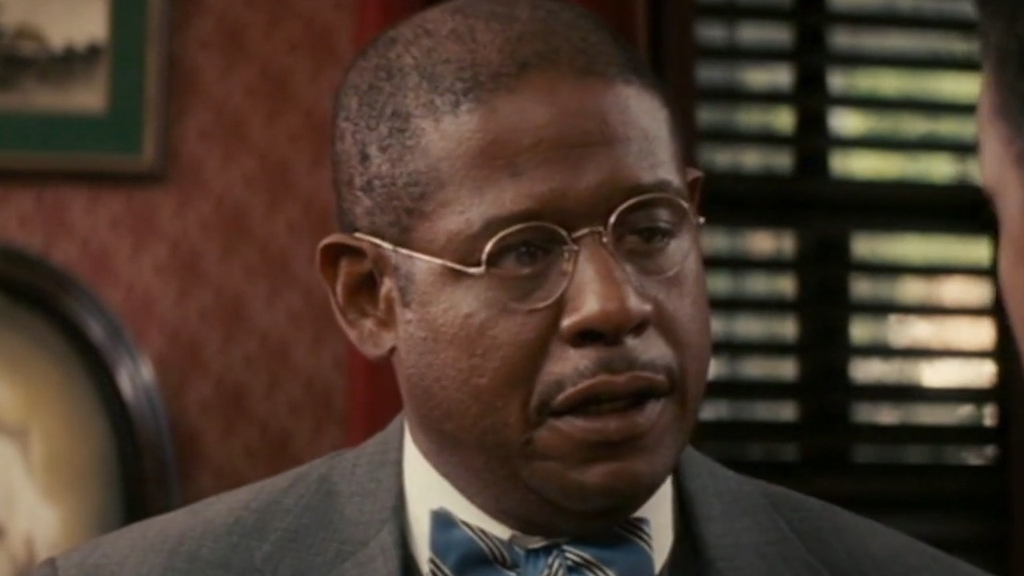
His performance as Ugandan president Idi Amin in The Last King of Scotland became a defining moment in his career. The role earned him the Academy Award for Best Actor in 2007, reflecting the impact of his detailed and immersive approach. However, Whitaker’s professional identity extends beyond that achievement. He has also appeared in productions such as Bird, Ghost Dog: The Way of the Samurai, and Black Panther, demonstrating his ability to move between independent cinema, historical drama, and major studio entertainment.
Bob Chapek: Corporate Leadership Behind a Global Entertainment Brand
Bob Chapek developed his career on the business side of entertainment, eventually becoming chief executive officer of The Walt Disney Company in February 2020. Before taking the position, he held leadership roles across several Disney divisions, including its parks, experiences, and consumer products businesses. Consequently, his professional background was closely connected to the operational and commercial foundations of a company whose influence reaches film, television, streaming, tourism, and consumer culture.
Chapek became CEO just as the COVID-19 pandemic began disrupting global business. Disney’s theme parks faced closures and restrictions, film releases were delayed, and audience habits shifted rapidly toward streaming. As a result, his tenure became associated with difficult decisions about costs, distribution, technology, and the company’s long-term direction. He left the chief executive role in November 2022, when Bob Iger returned to the position. Chapek’s time at Disney remains an example of how leadership can become especially challenging when an established entertainment business confronts extraordinary external pressures.
How Their Professional Journeys Differ
Although both figures are associated with the same broad entertainment landscape, their work requires different forms of judgment and expertise. Whitaker’s success depends on interpreting stories, building believable characters, and collaborating with other artists. Chapek’s responsibilities involved organizational strategy, financial performance, executive decisions, and balancing the expectations of shareholders, employees, audiences, and creative teams.
Their careers therefore offer two useful perspectives on how entertainment reaches the public. A compelling performance may create an emotional connection with millions of viewers, while executive decisions can determine which projects receive investment, how films reach audiences, and how intellectual property is developed across different platforms. Neither role alone explains the entire industry. Rather, creative achievement and business management operate within a larger system in which artistic ambition, audience demand, and financial realities continually influence one another.
A Comparison of Forest Whitaker and Bob Chapek
| Category | Forest Whitaker | Bob Chapek |
|---|---|---|
| Primary profession | Actor, director, and producer | Business executive |
| Best-known association | Acclaimed film and television performances | Leadership of The Walt Disney Company |
| Major career milestone | Academy Award for Best Actor in 2007 | Appointment as Disney CEO in 2020 |
| Area of influence | Acting, filmmaking, and storytelling | Corporate strategy and entertainment operations |
| Public legacy | Artistic versatility and memorable performances | Leadership during a disruptive period for Disney |
This comparison highlights the different ways individuals can shape entertainment. Whitaker’s influence is most visible in the performances audiences remember, whereas Chapek’s influence is more closely associated with the decisions and structures behind a global entertainment organization.
The Wider Entertainment Industry: Creativity Meets Commerce
Modern entertainment depends on a complicated relationship between artistic expression and commercial planning. Studios need compelling stories to attract audiences, yet they also operate within budgets, distribution agreements, marketing campaigns, and expectations about profitability. Meanwhile, performers and filmmakers need opportunities to develop distinctive work, even when commercial pressures encourage familiar formulas or established franchises.
Whitaker’s career demonstrates why individual performances remain important within this environment. A powerful portrayal can give a film emotional credibility and encourage viewers to consider unfamiliar perspectives. At the same time, Disney’s corporate history illustrates the scale at which entertainment businesses must make decisions about technology, distribution, and audience access. Streaming platforms, international markets, and changing viewing habits have made these decisions increasingly interconnected.
Nevertheless, creative success cannot be reduced entirely to business performance, just as effective corporate leadership cannot be measured solely by the popularity of individual productions. The entertainment industry needs both compelling creative work and the organizational capacity to bring it to audiences. Understanding that distinction provides a more balanced view of how films and other forms of popular culture are made.
Leadership, Public Expectations, and the Pressure to Adapt
The public often evaluates actors and executives through very different standards. Actors are judged by the emotional credibility of their performances, the range of their roles, and their contribution to a production. Executives, by contrast, face scrutiny over strategy, financial results, workplace decisions, and their ability to respond to unexpected challenges.
Whitaker’s career shows how an artist can sustain public interest by embracing varied roles rather than relying on a single type of performance. Chapek’s Disney tenure, however, illustrates how an executive can become the public face of decisions shaped by a much larger organization and circumstances beyond any one person’s control. The pandemic, in particular, created unprecedented challenges for businesses dependent on travel, live experiences, theatrical releases, and large-scale productions.
Ultimately, both careers demonstrate that influence carries expectations. Audiences want performances that feel meaningful and authentic, while employees, investors, and customers expect major companies to remain adaptable and responsible. These expectations may differ, but they reveal a shared feature of public life: professional decisions are judged not only by intentions but also by their visible consequences.
Why Their Stories Matter to Popular Culture
The careers of Forest Whitaker and Bob Chapek help explain why entertainment should be understood as more than a collection of films, television programs, and corporate announcements. It is also a cultural system shaped by human creativity, economic power, technology, and changing social expectations.
Whitaker’s performances have contributed to conversations about history, identity, power, and morality. Through complex characters, he has encouraged audiences to engage with stories that are not always comfortable or straightforward. Chapek’s career offers a different lesson by illustrating the responsibilities involved in managing an entertainment institution with a global audience and numerous interconnected businesses.
Moreover, their contrasting professional experiences show that cultural influence can operate at several levels. An actor may shape how a story is remembered, while an executive may influence the conditions under which stories are financed, distributed, and experienced. Recognizing both forms of influence gives readers a clearer understanding of the entertainment world.
Conclusion: Two Careers, Two Forms of Influence
Forest Whitaker and Bob Chapek followed different professional routes, yet their careers reveal complementary aspects of the entertainment industry. Whitaker’s achievements demonstrate the enduring power of performance, interpretation, and artistic commitment. Chapek’s experience at Disney highlights the complexity of managing a global company during a period of rapid technological change and extraordinary disruption.
Their stories should not be treated as evidence of a direct professional partnership or personal connection. Instead, they offer a useful comparison between the creative and corporate forces that shape popular entertainment. Ultimately, films and cultural experiences emerge from a broad network of performers, writers, directors, producers, executives, and audiences. Understanding these different contributions makes it easier to appreciate not only what entertainment presents on screen, but also the people, decisions, and circumstances that bring it to life.