
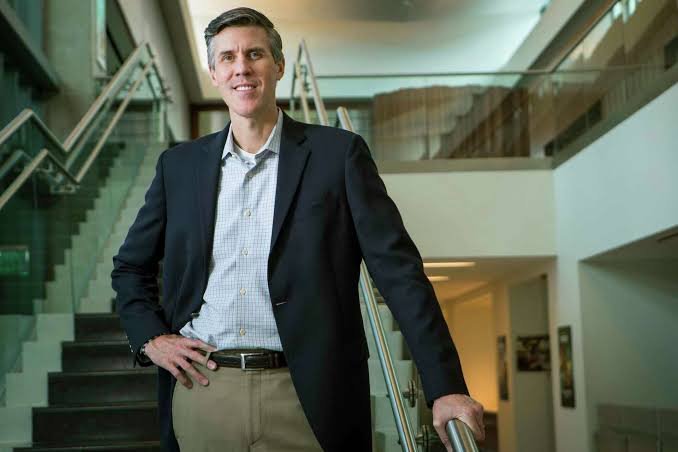
Pelé and Ryan Lance: Two Remarkable Careers in Sport and Energy Leadership
Pelé and Ryan Lance represent two very different paths to professional recognition. One became a global football legend whose performances inspired generations, while the other established himself as a prominent executive in the international energy industry. Although their careers developed in separate worlds, examining their backgrounds offers an interesting perspective on ambition, leadership, influence, and lasting professional impact.
Who Are Pelé and Ryan Lance?
Pelé, born Edson Arantes do Nascimento in Brazil in 1940, is widely regarded as one of football’s most influential players. Ryan M. Lance, meanwhile, is an American energy executive known for his leadership at ConocoPhillips. Their professional identities reflect different forms of achievement: sporting excellence in Pelé’s case and corporate leadership in Lance’s. There is no widely documented personal or professional connection between the two, so their stories are best understood individually rather than as a shared biography.
Pelé’s Early Life and Rise to Football Greatness
Pelé grew up in Brazil, where football played an important role in community life and national identity. Despite facing financial challenges during his childhood, he developed remarkable talent and joined Santos as a teenager. His technical ability, quick movement, creativity, and understanding of the game soon attracted international attention. In 1958, at just 17 years old, he helped Brazil win its first FIFA World Cup, beginning a career that would transform him into an international sporting icon.
Three World Cup Triumphs That Made History
Pelé’s achievements with Brazil remain central to his legacy. He was part of the teams that won the FIFA World Cup in 1958, 1962, and 1970, making him the only male player to win the tournament three times. Although injuries limited his participation during the 1962 competition, his contribution to Brazil’s footballing success remained significant. Furthermore, his performances in 1970 helped establish that team as one of the most celebrated sides in the history of international football.
Ryan Lance’s Career in the Energy Industry
Ryan Lance built his professional reputation through decades of experience in oil and natural gas. Before becoming a leading executive at ConocoPhillips, he held various technical, operational, and management positions, gaining experience in international exploration and production. These responsibilities gave him insight into the practical and strategic challenges of the energy business. His career demonstrates how technical knowledge, organisational experience, and long-term decision-making can contribute to leadership in a complex global industry.
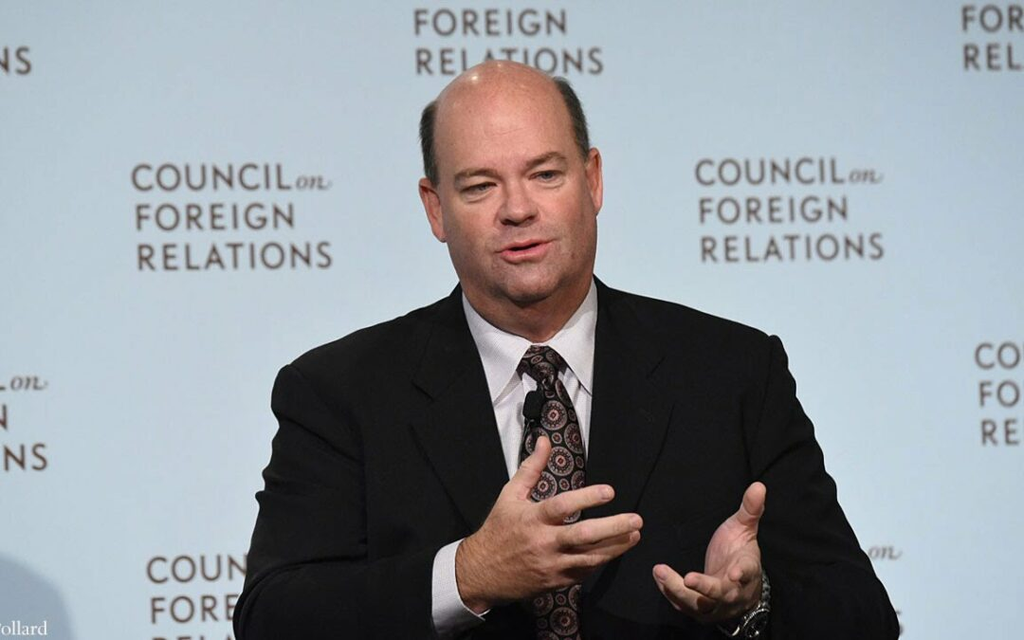
Leadership at ConocoPhillips
Lance became chairman and chief executive officer of ConocoPhillips in May 2012. During his tenure, the company operated across international energy markets while navigating changes in demand, investment priorities, regulation, and energy policy. In September 2026, he transitioned from the CEO role to executive chairman, while Andy O’Brien became president and CEO. This leadership change marked an important moment in the company’s corporate history and reflected the continuing importance of succession planning in major organisations.
Pelé and Ryan Lance: A Comparison of Their Achievements
Although their professions are unrelated, Pelé and Lance illustrate how success can take different forms. Pelé earned worldwide admiration through sporting performances, championships, and his influence on football culture. Lance’s reputation developed through executive responsibilities, industry experience, and strategic leadership. Their achievements cannot be measured using exactly the same standards because they served different purposes and faced different challenges. Nevertheless, both careers highlight the value of preparation, consistent performance, and the ability to respond to demanding circumstances.
The Cultural Influence of Pelé
Pelé’s legacy extends beyond the football field. As an internationally recognised Brazilian athlete, he helped introduce audiences around the world to the country’s footballing tradition. His achievements encouraged young players and contributed to football’s development as a shared global language. Moreover, his fame demonstrated how sport can connect people across national, cultural, and linguistic boundaries. Even after his death in December 2022, his influence remains visible in football discussions, historical retrospectives, and the aspirations of future generations.
Ryan Lance and the Responsibilities of Modern Energy Leadership
Energy leadership involves decisions that reach beyond a company’s offices. Oil and natural gas remain important to many economies, supporting transportation, manufacturing, electricity systems, and other essential activities. At the same time, the industry faces environmental concerns, changing technologies, and pressure to manage long-term risks. Lance’s executive career provides a lens through which to understand these competing demands. His professional significance is closely connected to the strategic and operational responsibilities of managing a major energy producer.
Are Pelé and Ryan Lance Connected?
There is no established public evidence that Pelé and Ryan Lance shared a business partnership, family relationship, or major collaborative project. Their names may appear together in online searches, but that alone does not establish a direct connection. Pelé is primarily associated with Brazilian football and international sporting history, whereas Lance is associated with corporate energy leadership. Keeping this distinction clear helps readers separate verified biographical information from assumptions that may arise when unrelated names appear together.
Conclusion: Two Different Definitions of Success
Pelé and Ryan Lance demonstrate that professional influence can emerge from very different environments. Pelé’s footballing achievements made him a lasting symbol of sporting excellence and Brazilian cultural pride. Lance’s career reflects the demands of leadership in an industry that plays a significant role in the global economy. Their stories do not depend on a shared personal history; instead, each offers a separate example of professional development, responsibility, and influence. Together, they provide an opportunity to consider how achievement is shaped by individual ability, professional circumstances, and the wider world in which a person works.