
Daniel Loeb and Tilda Swinton: When Different Worlds Capture Public Attention
Daniel Loeb and Tilda Swinton belong to two distinct professional landscapes. Loeb is recognised for his role in investment management and corporate activism, whereas Swinton has earned international acclaim for her distinctive contributions to film and experimental art. Their careers demonstrate how influence can develop through very different forms of expertise. Although the combination of their names may prompt questions about a possible association, it is important to distinguish documented information from assumptions. Their individual stories offer a compelling starting point for examining ambition, reputation, and modern public culture.
Daniel Loeb’s Place in Modern Investment Culture
Daniel Loeb established Third Point in 1995, creating an investment management firm associated with activist investing. This approach involves investors seeking changes in companies in which they hold shares, often by questioning management decisions, recommending strategic adjustments, or advocating changes in corporate governance.
Over the years, Loeb has become a recognised figure in discussions about shareholder influence. His career reflects a wider transformation in financial markets, where investors increasingly engage with the businesses they support rather than remaining passive shareholders. Consequently, activist investing has become an important subject in debates about corporate accountability.
Nevertheless, this strategy attracts different interpretations. Supporters believe investor pressure can improve transparency, challenge ineffective leadership, and encourage better decision-making. Critics, on the other hand, argue that certain campaigns can prioritise immediate financial gains over long-term investment. Understanding Loeb’s professional background therefore requires considering both the mechanics of activist investing and the broader questions it raises about responsibility, growth, and corporate priorities.
Tilda Swinton’s Distinctive Contribution to Film
Tilda Swinton has developed an acting career defined by versatility and creative experimentation. Born in London in 1960, she gained early recognition through independent cinema, particularly her collaborations with filmmaker Derek Jarman. Subsequently, she moved into a wider range of productions while continuing to explore unconventional stories and characters.
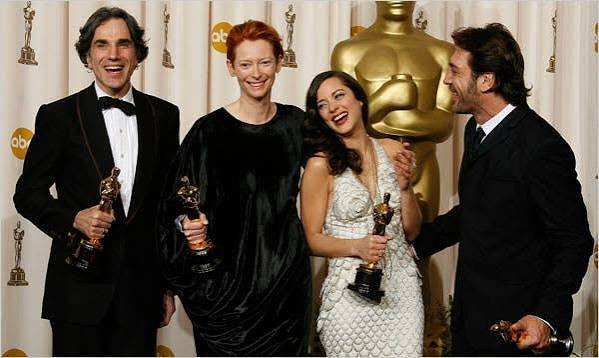
Her performances in Orlando, Michael Clayton, and The Grand Budapest Hotel illustrate her ability to work across different genres. In 2008, she received the Academy Award for Best Supporting Actress for Michael Clayton. However, her artistic identity extends beyond individual accolades. She has repeatedly embraced projects that challenge conventional ideas about character, identity, and cinematic storytelling.
Furthermore, Swinton’s career illustrates how an actor can combine mainstream visibility with a commitment to artistic exploration. Rather than becoming associated with a single type of role, she has maintained a varied filmography that includes independent productions, international collaborations, and major studio releases.
Two Careers Shaped by Different Forms of Expertise
A comparison of Daniel Loeb and Tilda Swinton highlights the importance of understanding professional success within its proper context. In finance, decisions are shaped by investment research, market conditions, risk, and corporate performance. In cinema, creative decisions depend on interpretation, collaboration, storytelling, and the relationship between performers and audiences.
| Area of comparison | Daniel Loeb | Tilda Swinton |
|---|---|---|
| Professional field | Investment management | Acting and cinema |
| Main association | Third Point | Independent and international filmmaking |
| Recognised contribution | Activist investment strategy | Versatile and unconventional performances |
| Professional priorities | Financial analysis and corporate engagement | Creative interpretation and artistic collaboration |
| Wider impact | Discussions about corporate governance | Contributions to contemporary film culture |
Although these fields use different standards, both require judgement and an ability to make decisions under uncertainty. Moreover, each professional must navigate expectations that can change over time. Their experiences demonstrate that influence is not a single achievement but an ongoing process shaped by choices, circumstances, and public perception.
The Curiosity Behind Their Shared Search Phrase
The phrase Daniel Loeb and Tilda Swinton may attract readers who are investigating a possible relationship or shared public appearance. However, the appearance of two names together does not establish a personal friendship, family relationship, professional collaboration, or other direct connection.
Online searches often bring together individuals because of overlapping discussions, media references, or simple public curiosity. As a result, a search term can create the impression of a connection even when the available evidence does not establish one. This is why careful research matters when writing about prominent people.
Rather than building a story around an unverified association, an informative article should explain the background of each person and clearly identify what is known. This approach respects readers’ curiosity while maintaining a distinction between factual reporting and speculation.
How Public Figures Build Their Reputations
Reputation develops differently across industries, but it can have significant consequences in both finance and entertainment. For an investor such as Loeb, professional credibility is closely associated with investment decisions, public commentary, and engagement with company leadership. Financial audiences may assess these activities through measurable outcomes, although broader debates about governance and long-term value also matter.

For Swinton, reputation is shaped by her performances, collaborations, and willingness to pursue unusual creative opportunities. Critics and audiences may evaluate an actor through awards, memorable roles, artistic development, and the lasting significance of particular films.
At the same time, public visibility creates pressure. Financial professionals can face criticism when investment campaigns produce controversy, while actors may find their artistic choices interpreted through changing cultural expectations. Consequently, understanding public reputation requires more than counting awards, financial achievements, or media appearances. It also involves examining the decisions and professional values that help shape an individual’s identity.
Why Individuality Matters in Professional Life
Individuality can be an important source of recognition. In investment management, a distinctive approach to analysing companies or challenging established strategies can separate one investor from others. Nevertheless, originality must be supported by research, sound judgement, and an understanding of financial risk.
Similarly, artistic individuality can distinguish an actor within a highly competitive entertainment industry. Swinton’s willingness to move between different kinds of productions has contributed to her distinctive professional identity. Her career shows that experimentation can coexist with broad recognition, even when creative projects differ considerably in style and audience.
However, individuality does not eliminate the need for collaboration. Investors interact with executives, colleagues, and shareholders, while actors depend on directors, writers, production teams, and fellow performers. Therefore, professional independence is often most effective when combined with an ability to work constructively with others.
The Importance of Accuracy in Celebrity and Business Reporting
Public interest in influential people has created opportunities for informative journalism, but it has also increased the risk of misleading online content. Articles sometimes combine unrelated names to attract attention or imply a relationship without sufficient evidence. Such practices can confuse readers and undermine trust.
Responsible reporting takes a different approach. It relies on verifiable information, avoids invented anecdotes, and distinguishes documented facts from interpretation. In addition, it recognises that public visibility does not mean every aspect of a person’s private life is available for speculation.
When discussing Daniel Loeb and Tilda Swinton, this principle is especially relevant. Their individual achievements can be explored in detail without suggesting an unsupported connection. Indeed, a carefully researched account offers readers more value than a dramatic narrative built on assumptions.
Conclusion: Two Different Legacies in a Connected World
Daniel Loeb and Tilda Swinton illustrate two distinct ways of developing professional influence. Loeb’s work in investment management places him within discussions about shareholder activism, corporate strategy, and financial accountability. Swinton’s career reflects a commitment to creative experimentation, memorable performances, and the evolving possibilities of cinema.
Although their professional paths differ, both demonstrate how expertise, individual choices, and public reputation contribute to a person’s wider significance. Their stories also show why success should be understood within the context of the field in which it develops.
Ultimately, the search phrase Daniel Loeb and Tilda Swinton should be approached with curiosity and care. Without reliable evidence of a direct association, their names do not establish a shared personal story. Their independently documented careers nevertheless provide meaningful insight into the different ways people influence business, culture, and public life.