
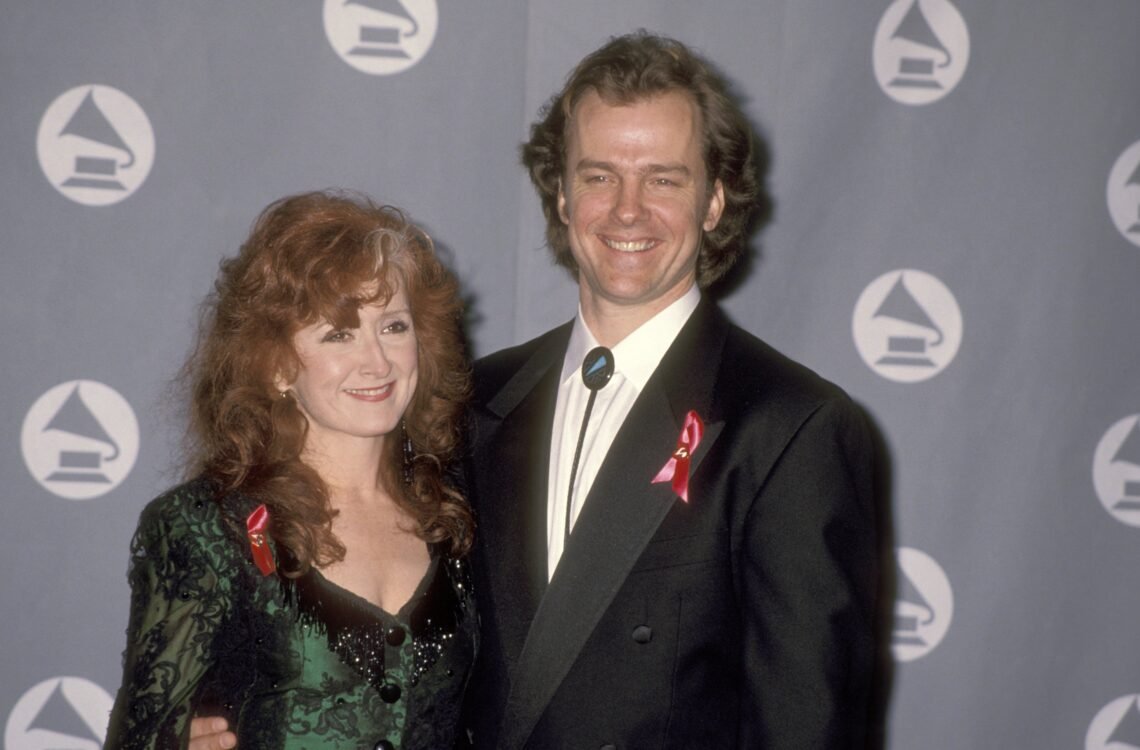
Introduction: Michael O Keefe and Bonnie Raitt in the Cultural Spotlight
Michael O Keefe and Bonnie Raitt represent a fascinating intersection of American acting and music. O Keefe, known for his work across film and television, and Raitt, celebrated for her distinctive blues-rock sound, became connected through marriage during a significant period in both of their careers. Their relationship attracted public interest not simply because of their celebrity status, but because it brought together two creative worlds with very different traditions. Looking back, their story offers a useful perspective on fame, artistic identity, partnership, and the complicated balance between private life and public attention.
Two Distinct Careers Before Their Relationship
Before their names became linked, Michael O Keefe and Bonnie Raitt had established identities in separate areas of American popular culture. O Keefe built a reputation as an actor, earning recognition for performances that combined understated emotion with a natural screen presence. Raitt, meanwhile, had spent years developing a musical style rooted in blues, rock, folk, and soul.
Importantly, neither career depended on the other. O Keefe’s professional path was shaped by acting, while Raitt’s was defined by songwriting, guitar playing, and performance. Consequently, their eventual relationship was not a story of one famous person introducing another to fame. Instead, it brought together two established artists who already understood the demands of creative work.
Who Are Michael O Keefe and Bonnie Raitt?
| Person | Profession | Known For | Cultural Contribution |
|---|---|---|---|
| Michael O Keefe | Actor | Film and television performances | American cinema and television |
| Bonnie Raitt | Singer, songwriter, guitarist | Blues-rock and roots music | Expanding the audience for blues and roots-inspired music |
Michael O Keefe became widely recognized after appearing in films and television projects, with his career spanning several decades. Bonnie Raitt, on the other hand, became one of the most respected performers associated with American roots music. Her distinctive slide-guitar playing and expressive voice helped establish an artistic identity that remained recognizable across changing musical eras.
When Acting and Music Became Part of the Same Story
The relationship between the two artists developed during the 1990s, when both were already accomplished in their respective fields. Their marriage in 1991 created an unexpected cultural pairing: an established Hollywood actor and an influential recording artist.
At the time, celebrity relationships were frequently treated as entertainment news. However, the pairing also reflected something deeper about creative communities. Artists often meet through professional circles where performance, touring, production, and entertainment overlap. Therefore, their relationship can be viewed not only through the lens of celebrity but also as an example of two demanding artistic careers existing alongside one another.
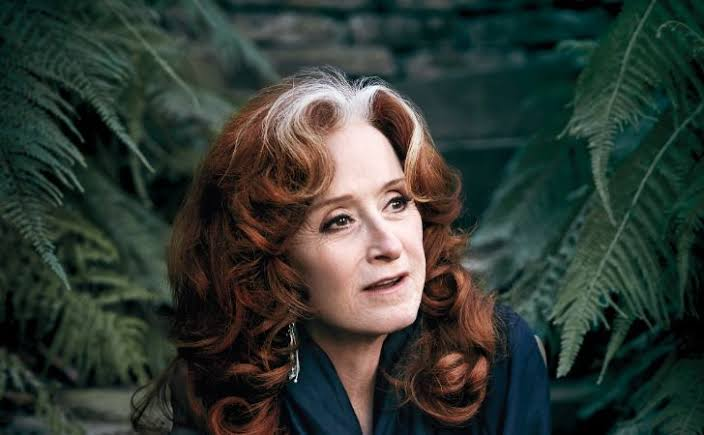
The Human Side Behind Public Recognition
Celebrity often reduces complicated lives to simple headlines. Yet relationships involving public figures are rarely as straightforward as the images presented to audiences. Behind professional achievements are ordinary questions about time, priorities, work commitments, and personal identity.
For two people working in demanding creative industries, those pressures can become particularly pronounced. Touring, filming, promotion, travel, and unpredictable schedules can shape a relationship in ways that audiences rarely see. In that sense, the story surrounding these two artists is also a reminder that fame does not remove the practical challenges of maintaining a personal life.
Bonnie Raitt’s Musical Identity
Bonnie Raitt’s career provides important context for understanding why her relationship attracted attention. She developed an artistic voice that blended blues traditions with rock, folk, and soul influences. Rather than fitting neatly into a single category, her music crossed boundaries between established American genres.
Furthermore, Raitt’s career demonstrated remarkable longevity. Her ability to remain relevant while maintaining a recognizable musical personality helped distinguish her from artists whose success was closely tied to a particular moment. Her musicianship, particularly her guitar playing, became an essential part of that identity.
Her story also reflects a broader shift in popular music: audiences increasingly embraced artists whose work drew from older traditions while presenting them in contemporary forms.
Michael O Keefe’s Place in Film and Television
O Keefe’s career developed differently. His work as an actor placed him within the storytelling traditions of American film and television. Rather than being defined by a single role, his professional life has included a variety of performances across different formats.
That range matters when considering his connection to Raitt. Both artists worked in fields where authenticity and interpretation are important, although they expressed those qualities through different mediums. An actor interprets characters and stories, while a musician communicates through melody, lyrics, rhythm, and performance.
Consequently, their creative professions were different but not entirely disconnected.
A Marriage That Belonged to Its Own Era
The marriage between the two lasted several years before ending in divorce in 1999. While their relationship became part of their public biographies, neither career was ultimately defined by the marriage.
That distinction is important. Celebrity culture often encourages audiences to understand artists through their relationships. Yet O Keefe continued developing his acting career, while Raitt continued building her legacy in music. Their professional identities therefore remained separate from the relationship that had temporarily connected them.
In retrospect, the marriage is best understood as one chapter within two much larger artistic lives.
What Their Story Says About Celebrity Relationships
The story also reveals how audiences consume celebrity relationships. When two recognizable figures become partners, their individual identities can temporarily merge in the public imagination. Headlines, profiles, and entertainment coverage often present them as a single cultural unit.
However, artistic careers do not necessarily work that way. Creative identity is usually built through years of individual decisions, collaborations, failures, experimentation, and persistence.
For that reason, Michael O Keefe and Bonnie Raitt are more interesting when considered as two accomplished people who happened to share an important chapter than when treated simply as a celebrity couple.
The Lasting Cultural Legacy
Today, the most enduring significance of their story comes from what each artist accomplished independently. Raitt’s contribution to blues and roots-oriented music remains especially notable, while O Keefe’s body of acting work demonstrates the longevity possible within American screen performance.
Moreover, their story illustrates how entertainment history is interconnected. Film, television, music, and celebrity culture frequently overlap, creating relationships that become memorable to audiences even when those relationships are only one part of a much larger professional story.
Their connection therefore belongs to both personal history and popular culture, but neither completely defines the other.
Why Their Story Continues to Interest Readers
There is a natural curiosity surrounding famous people whose professional worlds intersect. Readers want to understand not only what happened, but also what such relationships reveal about the people involved.
In this case, the appeal lies in the contrast between two artistic disciplines. Acting and music require different skills, yet both demand emotional intelligence, discipline, vulnerability, and an ability to communicate with an audience.
Ultimately, that shared creative foundation may be more revealing than their celebrity status. It places their relationship within a larger human story about ambition, artistic expression, companionship, and change.
Conclusion: Beyond the Celebrity Headline
Michael O Keefe and Bonnie Raitt remain an intriguing pairing because their story reaches beyond the basic facts of a famous marriage. They entered the relationship as established artists, built lives within demanding creative industries, and eventually continued on separate professional paths.
Their connection offers a broader lesson about celebrity history: relationships may become part of an artist’s biography, but they rarely tell the entire story. Raitt’s musical legacy and O Keefe’s acting career each stand independently, shaped by years of creative work.
Ultimately, the enduring interest in Michael O Keefe and Bonnie Raitt comes from that balance between the personal and the professional. Their story is not simply about two famous names appearing together. It is about two creative lives that briefly intersected, leaving behind a cultural narrative that continues to invite curiosity.