Introduction
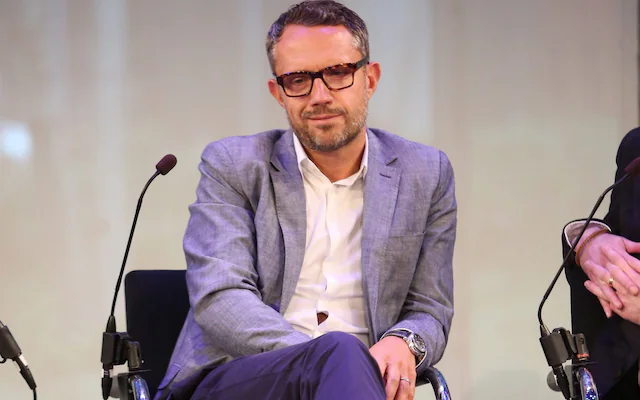
David Pemsel represents a distinctive kind of modern media executive: a leader whose career developed at the intersection of advertising, journalism, digital transformation and commercial strategy. His professional journey moved from leading advertising agencies to senior roles at ITV and, eventually, to the highest executive position at Guardian Media Group. His years at the Guardian became particularly notable because they coincided with a difficult period for traditional journalism, when established newspapers were being forced to rethink how they reached audiences and generated revenue.
From Advertising to the World of Media
Before becoming associated with one of Britain’s best-known newspaper groups, David Pemsel built his reputation in advertising and marketing. His earlier career included senior positions at agencies including Ogilvy & Mather and St Luke’s, while he was also involved in launching Shine Entertainment in 2000. These experiences gave him an unusually commercial perspective on audiences, brands and communication.
That background mattered because the media industry was changing rapidly. Rather than viewing journalism, marketing and technology as completely separate disciplines, Pemsel’s career reflected an emerging understanding that successful media organisations needed to connect all three. His move to ITV in 2005 strengthened that experience, eventually leading to his position as group marketing director.
David Pemsel and the Guardian Transformation
David Pemsel joined Guardian News & Media in 2011, initially becoming chief marketing officer. His responsibilities soon expanded, and he became chief commercial officer before taking on the role of deputy chief executive in 2013. In that position, he was given responsibility for commercial operations across the UK, United States and Australia.
His rise reflected the Guardian’s growing international ambitions. At the time, newspapers were confronting declining print circulation, changing advertising habits and the increasing dominance of digital platforms. Consequently, commercial leadership was no longer simply about selling advertisements. It involved understanding readers, developing digital products and building sustainable relationships with audiences.
Who Is David Pemsel?
| Aspect | Details |
|---|---|
| Profession | Media and marketing executive |
| Best-known role | Former chief executive of Guardian Media Group |
| Guardian career | Joined Guardian News & Media in 2011 |
| Previous major employer | ITV |
| Professional background | Advertising, marketing, media strategy and commercial leadership |
| Major challenge | Helping transform the Guardian’s business model during a period of digital disruption |
| Later appointment | Selected as incoming Premier League chief executive in 2019, but resigned before taking up the position |
His career is therefore best understood not simply through job titles, but through the transformation of the industries in which he worked. Advertising became increasingly digital, newspapers became increasingly dependent on reader relationships, and large cultural institutions had to operate with greater commercial discipline.
The CEO Years at Guardian Media Group
In July 2015, David Pemsel became chief executive of Guardian Media Group, succeeding Andrew Miller. His appointment came at a significant moment. Katharine Viner had also recently become editor-in-chief of the Guardian, creating a new leadership partnership at a newspaper confronting major financial pressures.
The challenge was substantial. The Guardian needed to preserve the distinctive character of its journalism while also developing a sustainable financial structure. Under Pemsel and Viner, the organisation pursued a three-year transformation strategy involving cost reductions, international development and stronger reader revenues. By 2018, losses at Guardian News & Media had fallen sharply, while reader revenues had become increasingly important to the business.
This was more than an accounting exercise. It reflected a wider change in the relationship between newspapers and their audiences. Instead of depending overwhelmingly on advertising, publishers increasingly needed readers themselves to become financial participants through subscriptions, memberships or contributions.
A New Philosophy of Digital Publishing
The Guardian’s experience under Pemsel illustrated one of the central questions facing contemporary journalism: how can high-quality reporting remain widely accessible while the organisation behind it remains financially sustainable?
The answer was never straightforward. Digital publishing created enormous global audiences, but those audiences did not automatically translate into sufficient advertising revenue. Therefore, the Guardian increasingly explored reader-funded models alongside advertising and other commercial opportunities.
By 2017, the organisation had substantially increased its membership numbers and digital revenues while continuing its broader transformation programme.
That shift also demonstrated why David Pemsel’s earlier advertising experience was relevant. He understood the commercial side of media, yet his role required him to work within an institution where journalism and editorial independence carried exceptional importance.
The Significance of the Guardian Turnaround
Perhaps the most important part of David Pemsel’s legacy at Guardian Media Group is the financial turnaround achieved during his leadership.
In 2019, the Guardian reported that its three-year transformation strategy had helped the organisation achieve an operating profit for the first time in two decades. Pemsel was subsequently named Media Leader of the Year at the 2019 Media Week Awards.
The achievement attracted attention because it occurred during a period when many traditional news organisations were struggling. Newspapers across the world were dealing with falling print advertising, changing reader habits and competition from digital platforms.
For the Guardian, however, sustainability was tied to a broader institutional purpose. The organisation’s ownership structure and commitment to editorial independence meant that financial strategy could not be considered separately from the future of its journalism.
Why His Premier League Appointment Drew Attention
In October 2019, David Pemsel was selected as the incoming chief executive of the Premier League. The appointment was notable because it represented a move from journalism and publishing into one of the world’s most commercially powerful sports organisations.
The choice made some sense from a leadership perspective. Pemsel had demonstrated experience managing an international organisation through structural change, while the Premier League itself faced questions about broadcasting, global audiences, digital competition and relationships between its clubs.
The Premier League’s chairman Bruce Buck praised Pemsel’s leadership at the Guardian, particularly his role in returning the organisation to profitability.
Yet the appointment ultimately did not happen.

A Sudden Change of Direction
In November 2019, David Pemsel resigned from the Premier League position before taking up the role. The decision followed media disclosures concerning his private life, and the Premier League accepted his resignation. Richard Masters continued as interim chief executive while the organisation resumed its search.
The episode became an important reminder that senior leadership in major public institutions exists under intense scrutiny. A chief executive’s professional reputation, public image and personal circumstances can all become part of the wider story.
At the same time, the incident should not obscure the substantial career that preceded it. Pemsel had already spent years working at the intersection of marketing, publishing and organisational transformation.
What David Pemsel’s Career Says About Modern Media
Looking at David Pemsel’s career as a whole reveals a broader story about the changing media industry. The traditional boundaries between advertising executive, publisher, strategist and technology-focused business leader have become increasingly fluid.
His career began in an era when advertising agencies dominated brand communication. It developed through television, then moved into newspaper publishing at precisely the moment when digital technology was reshaping the economics of journalism.
Moreover, his Guardian years demonstrated that financial sustainability and editorial identity are not necessarily opposing ideas. The challenge is finding a structure in which commercial decisions support, rather than undermine, the purpose of a media organisation.
The Human Side of Executive Leadership
Executive biographies often reduce people to appointments, financial results and corporate milestones. However, leadership during periods of transformation involves a more complicated human reality.
At the Guardian, Pemsel worked alongside journalists, editors, commercial teams and technology specialists while the organisation was undergoing significant change. Cost reductions inevitably affect people, while digital transformation requires employees to reconsider established ways of working.
Therefore, successful transformation is not merely about finding a better business model. It is also about persuading people that change is necessary while maintaining a sense of institutional identity.
David Pemsel’s Lasting Professional Significance
David Pemsel’s career remains interesting because it mirrors several major transitions in British media. He moved from advertising into television and then into newspaper publishing, carrying commercial experience into organisations whose influence extended far beyond business.
His period at Guardian Media Group is particularly significant. The organisation faced serious financial challenges, yet the strategy developed during his leadership helped move it toward greater sustainability and stronger reader-funded revenues.
Ultimately, his story is less about a single job title than about adaptation. The industries he entered kept changing, and his career repeatedly placed him in organisations attempting to respond to those changes.
Frequently Asked Questions
What is David Pemsel best known for?
David Pemsel is best known for serving as chief executive of Guardian Media Group from 2015 until 2019 and helping lead a major financial and organisational transformation.
What did David Pemsel do before the Guardian?
Before joining Guardian News & Media, he worked in advertising and marketing and held senior positions at ITV. He also played a role in launching Shine Entertainment.
Did David Pemsel become Premier League CEO?
No. Although he was appointed as the incoming Premier League chief executive in October 2019, he resigned before taking up the position.
Why was his Guardian leadership significant?
His leadership coincided with a major effort to reduce losses, strengthen digital operations and increase reader revenues. The organisation subsequently reported an operating profit after years of financial difficulty.
Conclusion
David Pemsel’s professional story is ultimately a story about change. From advertising agencies and television broadcasting to one of Britain’s most distinctive newspaper organisations, his career followed the evolution of modern media itself.
At Guardian Media Group, his leadership became associated with an important attempt to reconcile journalism with financial sustainability. The subsequent Premier League episode added another, more complicated chapter to his public career, demonstrating how quickly executive narratives can change.
Nevertheless, the broader significance of David Pemsel lies in the transformation he helped navigate: the movement from traditional media economics toward a world shaped by digital audiences, reader relationships and constant technological disruption. His career offers a revealing window into an industry where commercial strategy and cultural purpose increasingly have to coexist.